November 21, 2024
Owl in America is a series of letters tracing the actions of the current U.S. administration from the perspective of an environmental lawyer. These notes follow how, in a time of rapid political and ecological change, governmental decisions are felt in the living world.
Hi all~
A heavy winter storm rages unabated against the walls of the hotel where I am writing this letter. This one’s caused by a bomb cyclone off the Pacific coast of North America, an area of extreme low pressure surrounded by spinning winds ratcheting an atmospheric river toward the coastline. It’s very wet here, and we’ve lost power a few times.
I read with interest this morning a new peer-reviewed study concluding that in the Atlantic, climate change increased the maximum wind speeds of every hurricane formed so far this year. That’s 11 hurricanes, some of which would have remained “tropical storms” without the extra energy provided by warming ocean waters. Seven storms that would have been classified as hurricanes, even in a cooler climate, ended one or more severity categories higher as a result of warming. Helene, for example, shifted from Category 3 to 4, and Milton shifted from Category 4 to 5.
In Azerbaijan at the UN climate conference, a coalition conspicuously lacking the United States has committed to an “ambitious” new climate initiative. The coalition comprises the EU plus eleven countries including the UK, Norway, Canada, and Mexico. They’ll set new climate targets that include all greenhouse gases and every sector of their economies, which previous plans omitted. They’ve agreed to chart a “steeper line”, or at least a straight one, toward net-zero by 2050.
Four counties whose forest cover mops up the carbon released from their smaller economies—Bhutan, Madagascar, Panama and Suriname—have announced they’re at net-zero already. At a sideline event, UN climate chief Simon Stiell told attendees that in the absence of the U.S., China must now lead the climate fight.
Garnering less attention, the COP16 UN biodiversity conference recently concluded in Cali, Columbia. According to U.S.-based nonprofit The Nature Conservancy, the conference resulted in “significant policy achievements” in protecting and restoring worldwide biodiversity.
The rather dry, legalese newsletter I received on the topic from a law firm specializing in policy analysis noted in its intro, “The world is progressively recognizing that biodiversity loss and climate change are correlated and mutually reinforcing. A common refrain is that ‘there is no net zero without nature’.” We’ve come a long way toward a recognition of the biosphere’s infinite value if the buttoned-up lawyers at a multinational white-shoe firm are saying this.
Here are a few outcomes of the biodiversity conference:
- 119 countries, who represent 61% of attendees, provided biodiversity targets.
- 44 countries have submitted their plans to achieve their targets.
- The parties agreed to a new program of work meant to ensure indigenous people’s knowledge and contributions to global biodiversity are a meaningful part of the agenda.
- The group agreed to new guidelines for identifying biologically significant marine areas.
- Parties committed more money to a pot that funds “high-impact projects in developing regions,” particularly island nations and those with fragile economies.
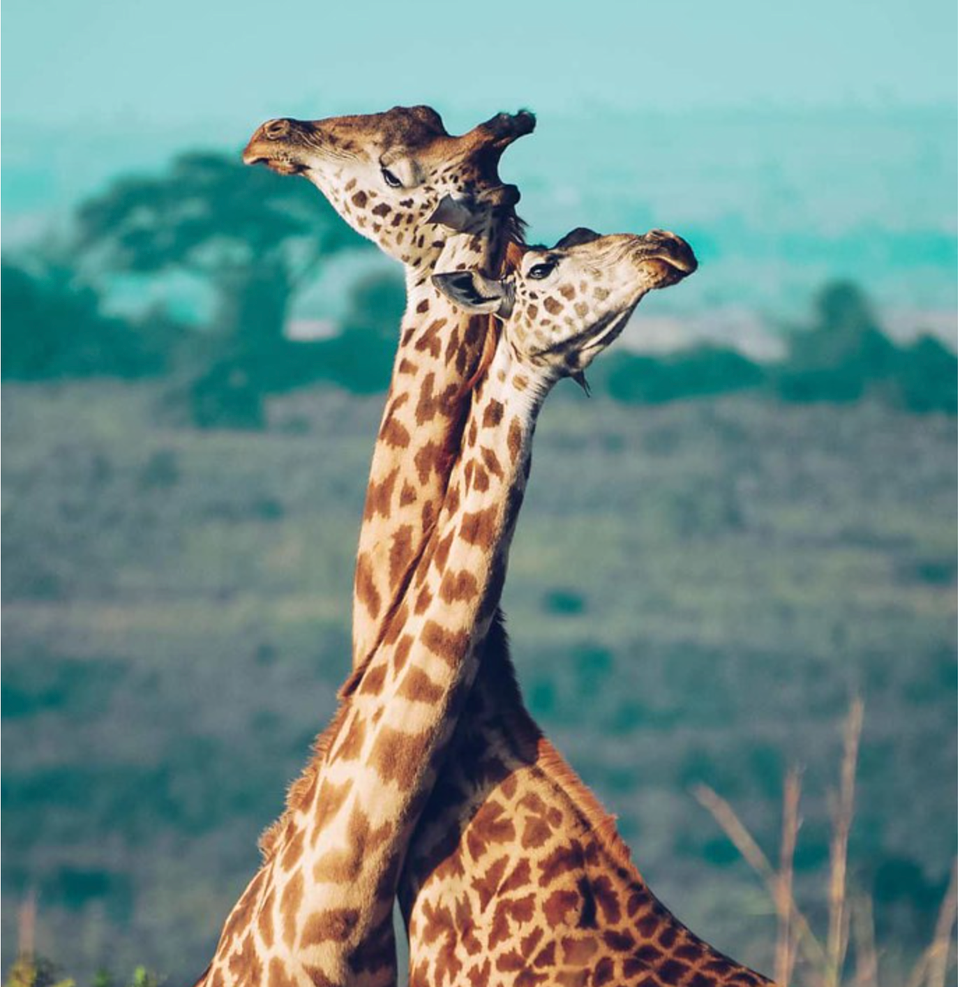
Back in the U.S., the Fish and Wildlife Service has proposed adding giraffes to the federal endangered species list. While giraffes are obviously not living on this continent, and therefore our laws cannot protect them and their habitats directly, we can make it illegal for Americans to import their body parts. The export market for various pieces of giraffe anatomy (and the rugs, jewelry, and shoes made from them) drives poaching in their home countries. The U.S. is a large market for wildlife, importing an estimated 40,000 giraffe bodies in just a decade, so this regulation could make a real dent in giraffe overhunting.
The wildlife agency expects to finalize the listing in 2025, which would put an immediate moratorium on giraffe imports to the U.S. Of course, we cannot be sure whether the process will run to completion under Trump. And, enforcement will be a sticking point, as it requires wildlife officials at ports inspecting cargo and tracking down internet sales; these things need a large workforce and federal funding. The Trump I administration was not friendly to wildlife-protection efforts, favoring trophy-hunting interests over biodiversity, and I fear we can expect more of the same this time.
The genetics of the giraffe species/subspecies divisions are in flux, but this U.S. listing would designate three subspecies as endangered—on the verge of extinction—and two subspecies as threatened, or just a step back from endangered. All five will be protected if legally designated, plus African countries with giraffe populations would become eligible for a stream of U.S. dollars to use toward giraffe conservation.
It’s worth mentioning that the federal wildlife agency did not just come up with the idea to protect giraffes on its own. This outcome results from years of lawsuits spearheaded by the nonprofit Center for Biological Diversity after the agency failed to act on the Center’s petition to protect giraffes back in 2017.
I’ve mentioned the Center for Biological Diversity many times before. I’ve never worked for them, but I have worked with several of their scientists and attorneys over the years, and their efforts frequently overlap with the segment of environmental law I practice. They are, bar none, the most tenacious and effective nonprofit group fighting for wildlife in the United States and abroad.
Here’s another reason I respect this organization: unlike some big wildlife NGOs that have enormous budgets and mail their supporters plushies of charismatic endangered species, the Center spends its money on hiring biologists and lawyers, not on publicity and swag. And—this is really my favorite part—they have consistently worked quietly to protect even the most humble of creatures.
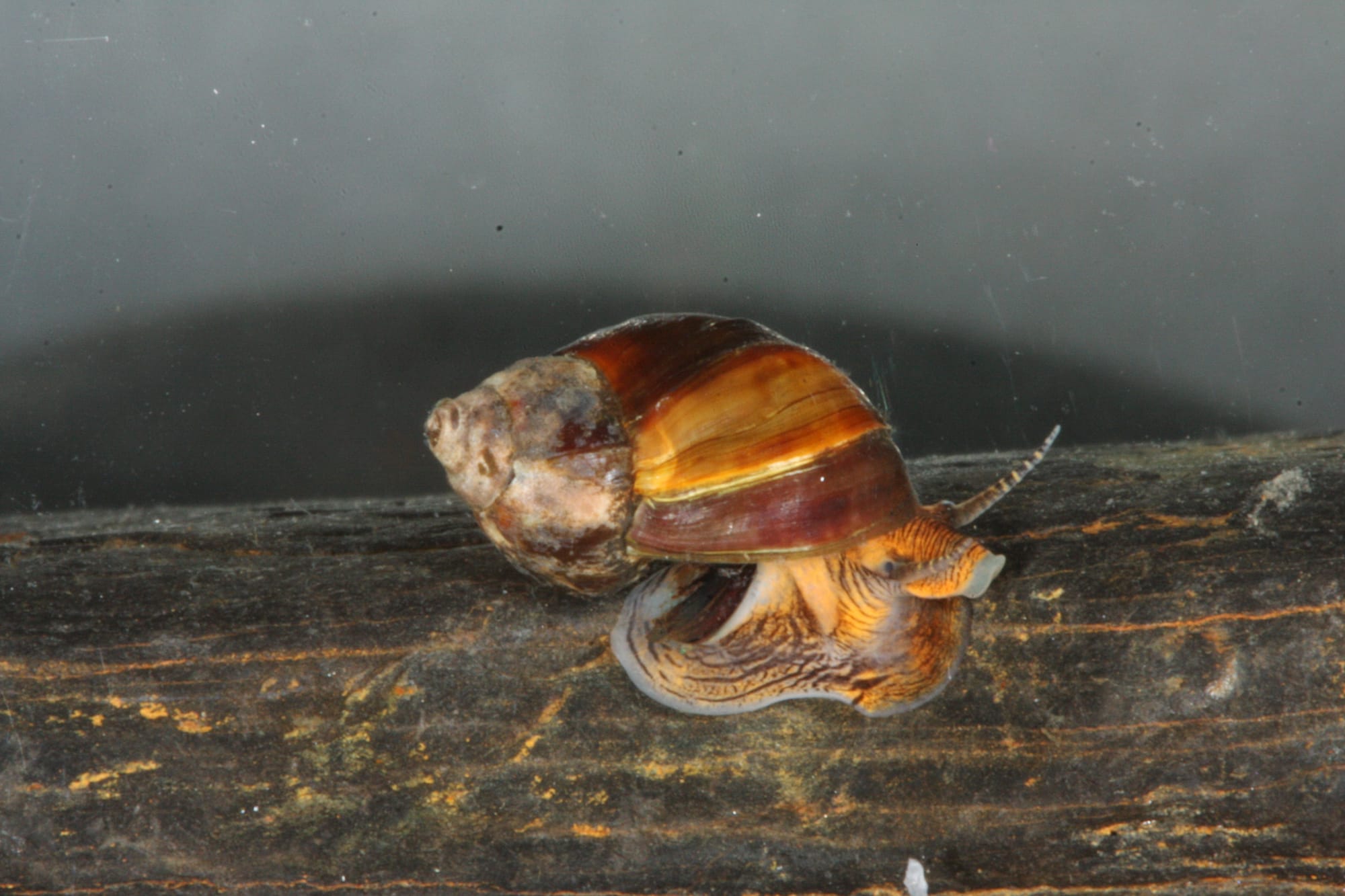
I smiled when I saw in my legal updates yesterday that the Center has agreed to settle a lawsuit against the Fish and Wildlife Service for the government’s failure to protect the Arkansas Mudalia Snail. This little mollusk, which lives in just a few waterways in Arkansas and Missouri, is about as far from a charismatic species as you can get. (Although I think it would make a cute plushie.) Despite the snail’s lack of star power, the Center has been plugging away at getting legal protections for it for over a decade. The feds will now begin evaluating the snail’s conservation status and will consider listing it under the Endangered Species Act.
Talk to you soon,
Owl
Sources:
https://theconversation.com/when-an-atmospheric-river-meets-a-bomb-cyclone-its-like-a-fire-hose-flailing-out-of-control-along-the-west-coast-244175
https://www.climatecentral.org/report/2024-hurricane-attribution
https://www.politico.com/news/2024/11/21/climate-plan-cop29-wihout-us-00190827
https://www.eenews.net/articles/china-must-now-lead-global-climate-fight-un-climate-chief-says/
https://www.nature.org/en-us/what-we-do/our-priorities/protect-water-and-land/land-and-water-stories/biodiversity-global-conference/
https://www.jdsupra.com/legalnews/key-biodiversity-developments-and-cop16-6870671
https://www.washingtonpost.com/climate-environment/2024/11/20/giraffes-endangered-species/
https://www.fws.gov/press-release/2024-11/us-fish-and-wildlife-service-proposes-endangered-species-act-protections
https://biologicaldiversity.org/w/news/press-releases/arkansas-mudalia-snail-gets-second-chance-at-endangered-species-protections-2024-11-14/
*Inspired by historian Heather Cox Richardson's Letters from an American
Owl in America will remain free to all readers. You can subscribe directly below, choosing a free or paid subscription. Tips of any size can be left in the tip jar, and will be received with great thanks. 🦉

Member discussion