May 1, 2026
Owl in America is a series of letters tracing the actions of the current U.S. administration from the perspective of an environmental lawyer. These notes follow how, in a time of rapid political and ecological change, governmental decisions are felt in the living world.
Hello all~
After a couple of dense newsletters on the Endangered Species Act, let's do a shorter one with a few updates to ongoing stories.
Quick policy update
Several large wildfires are burning in Georgia, but this morning, I saw that rain has started to fall. I'm sending my wishes for the fires to die back soon.
Climate scientists warn that climate change is intensifying heat and drought—and, by extension, wildfire risk—across the broader Southeast. To put it mildly, this is not a good time to have a pro-fossil fuel administration in power.
Previous newsletters have detailed a few pieces of its plan to boost petroleum production and use in the U.S.: using the God Squad to exempt Gulf of Mexico oil and gas activities from Endangered Species Act requirements; restructuring the agencies that monitor and permit offshore drilling activities; and proposing to sweep protections for eleven at-risk and endangered bumble bee species into a lukewarm plan that, in its current form, benefits polluters more than bees.
However, an administration effort to slow clean energy permitting just got partially blocked in court. Last year, Interior Secretary Doug Burgum issued a policy requiring his personal approval for all wind and solar development on federal lands and waters. Fossil fuel projects were not singled out in this way. Clean energy advocates saw this as a ploy to doom renewable projects by withholding approval until after renewable tax credits expired.
A group of wind and solar firms sued. Finding they were likely to succeed on the merits of their claim, federal judge Denise J. Casper issued a preliminary injunction halting Burgum's personal-approval policy while the case proceeds. In a Senate hearing this week, Democratic lawmakers pressed Burgum on whether he intended to comply with the court order. He responded that his department "disagrees" with the order; senators warned that they would continue to block action on his energy permitting reform package unless he began processing the permit backlog sitting on his desk.
Ranking Democratic senators on the relevant natural resources and environmental committees had already paused discussions over permitting reform. Their concern was another of Burgum’s orders: a December 2025 order halting work on offshore wind farms while the administration evaluated the supposed “national security risks” posed by their development. The five affected projects challenged the pause separately. In each case, federal judges have lifted the administration's order so work can continue while the cases proceed.
News from the Klamath
In truly great news, the Klamath Tribes have announced that wild Chinook (c’iyaal) salmon have hatched in the Upper Klamath watershed and started toward the ocean this year for the first time in over 100 years. Four massive dams near the California-Oregon border had blocked 400 miles of habitat in the upper river and its tributaries. They were removed in 2024. Within days, adult Chinook were observed passing the former dam sites. By 2025, biologists had documented them in the Williamson River, a far northern tributary, deep within Oregon.
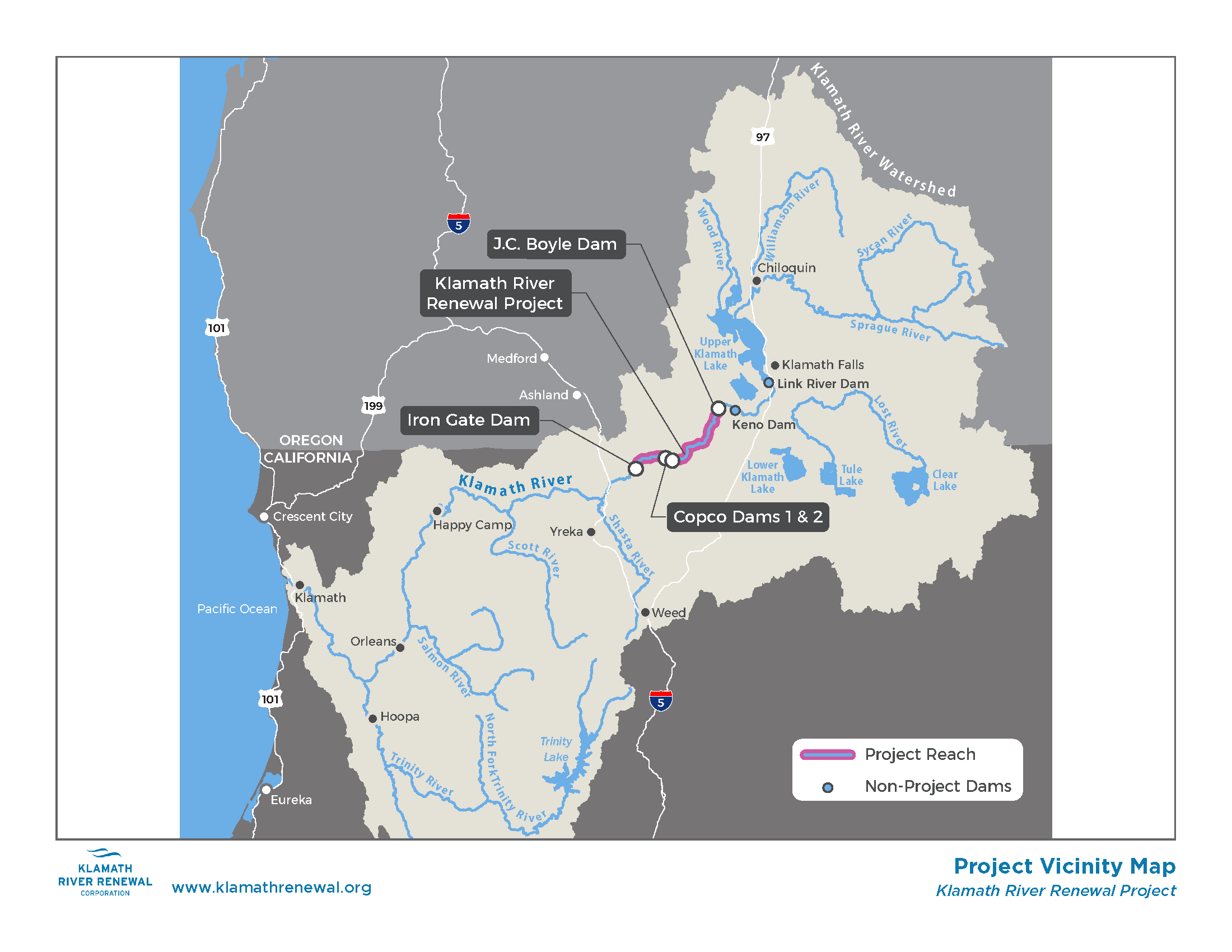
Now, the Tribes have announced that young Chinook have hatched and are moving downstream to the Pacific Ocean. It hasn't even been two years since the dams came down. The Tribes described it this way:
The c’iyaal’s are showing us the way forward. They have returned to a place that was taken from them. In this, they are not so different from the Klamath Tribes. The survival of these fish, along with c’waam and koptu, was promised to the Klamath Tribes in the Treaty of 1864. We continue to fight for this land and the revival of all treaty-guaranteed resources promised to us through the Treaty and the United States Constitution Article VI, Clause 2.
This milestone signifies another step toward restoring a sustainable fishery in the Upper Klamath Basin and reconnecting Klamath Tribes members with an essential source of medicinal and cultural resources, and subsistence to feed the people. The c’iyaal’s survival is not just an environmental story. It is a continuation of our own.
Lost and found birds
In other magnificent news, the Search for Lost Birds project has confirmed that five bird species, previously thought lost, still exist in the wild. They are:
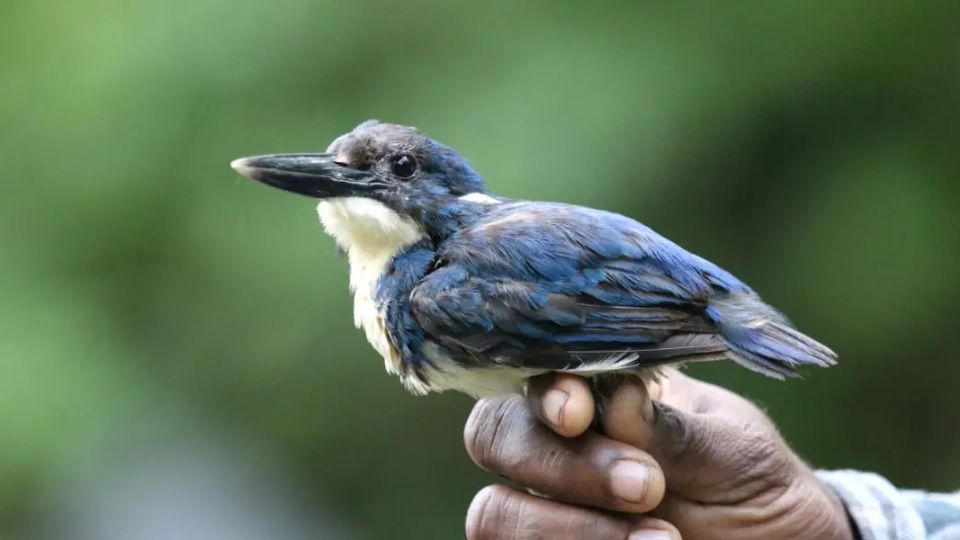
1. Bismarck Kingfisher – photographed in Papua New Guinea in May 2025 after 13 years.
2. Biak Myzomela – photographed in August 2025 in Indonesia after 21 years without a documented record.
3. Broad-billed Fairywren – photographed and sound recorded in March 2025 in Indonesia after 11 years without a documented record.
4. Sulu Cuckooshrike – photographed in the Philippines in November 2025 after 18 years without a documented record.
5. Rufous-breasted Blue Flycatcher – photographed in March 2025 in the Philippines after 17 years without a documented record.
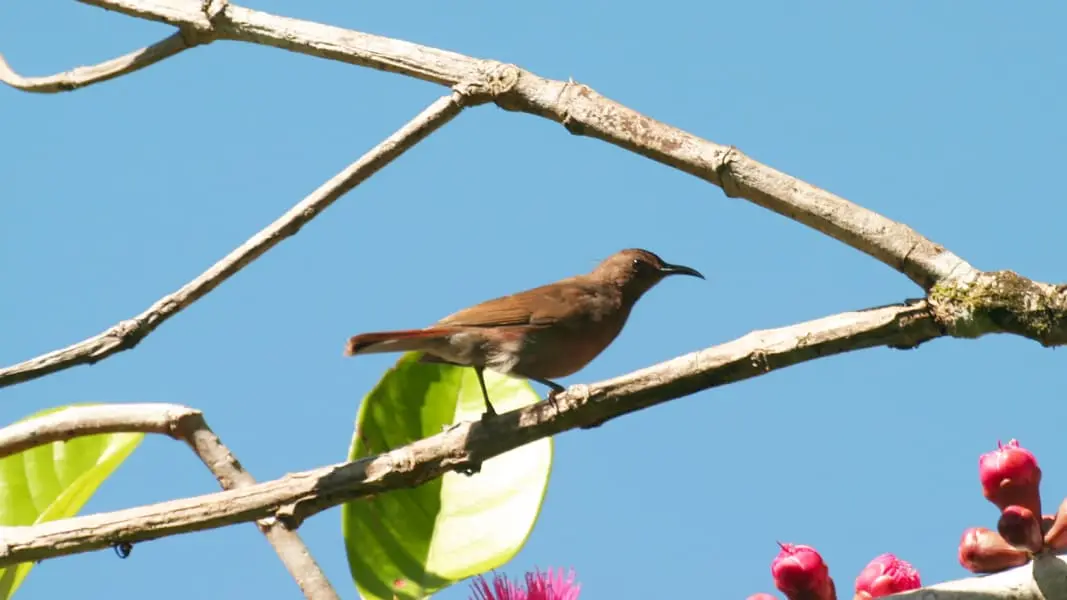
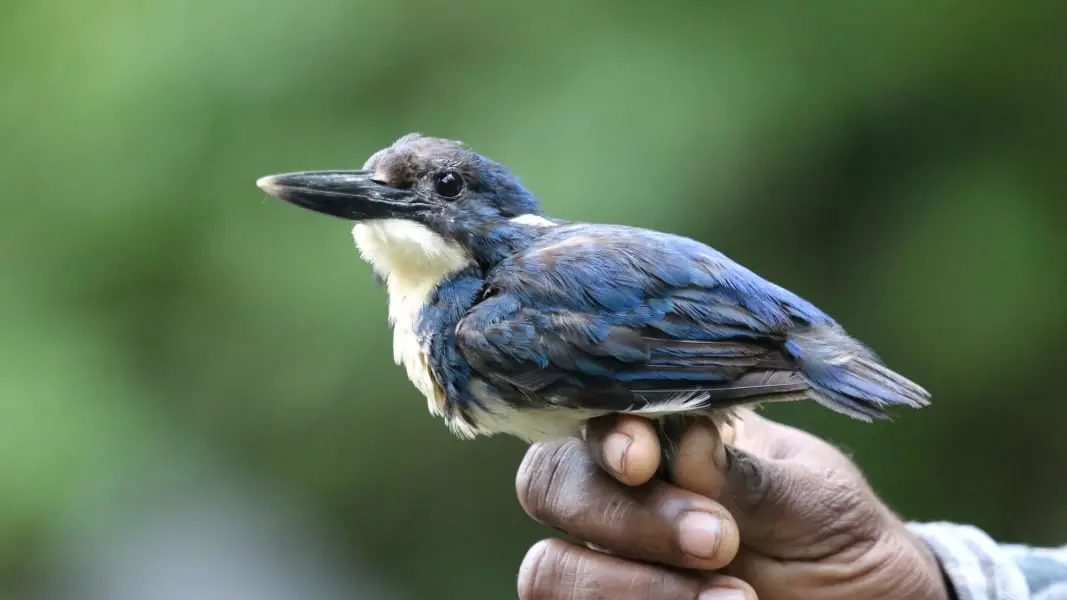
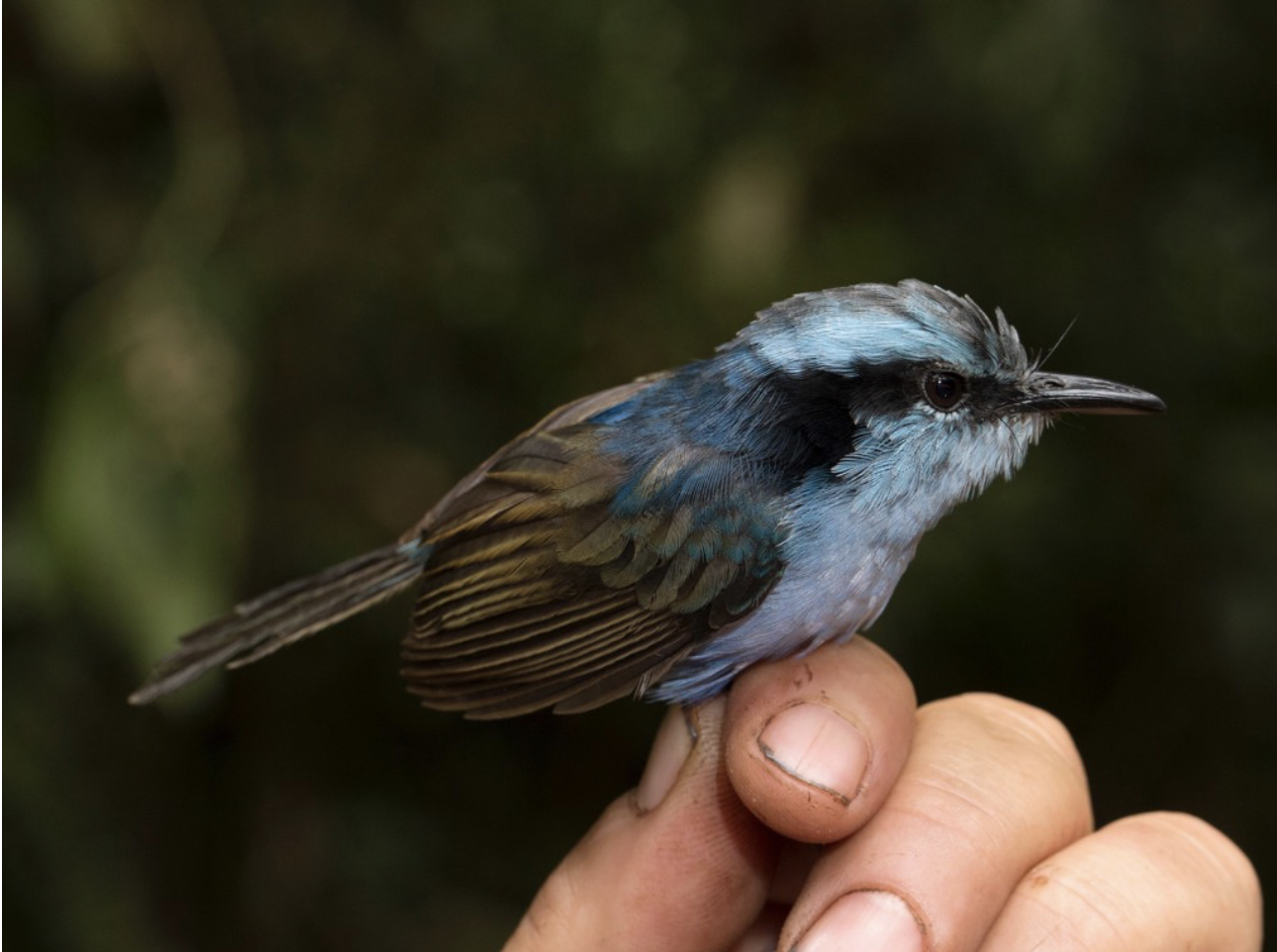
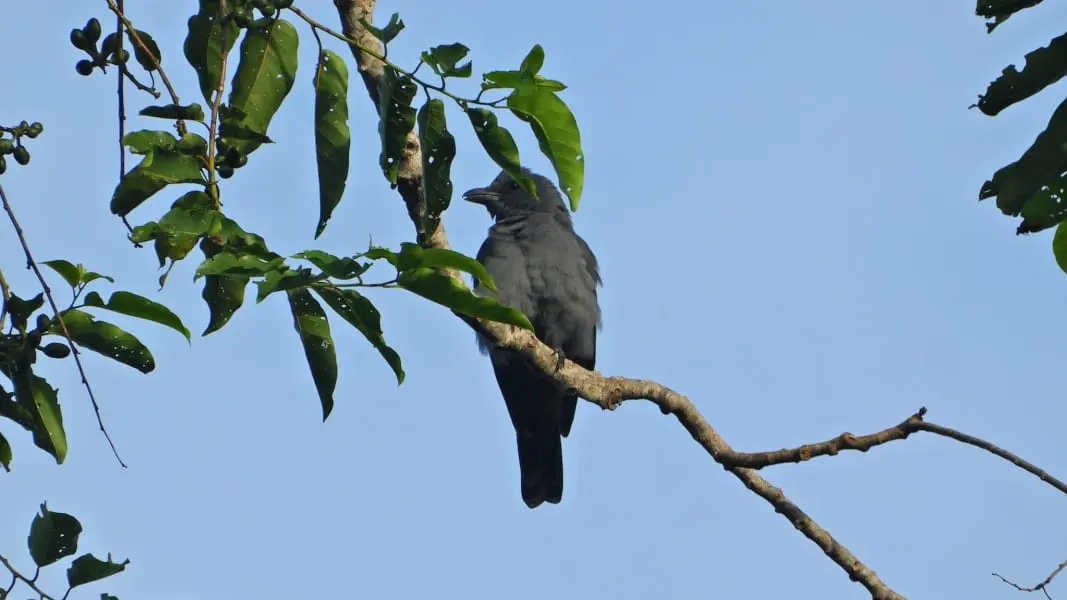
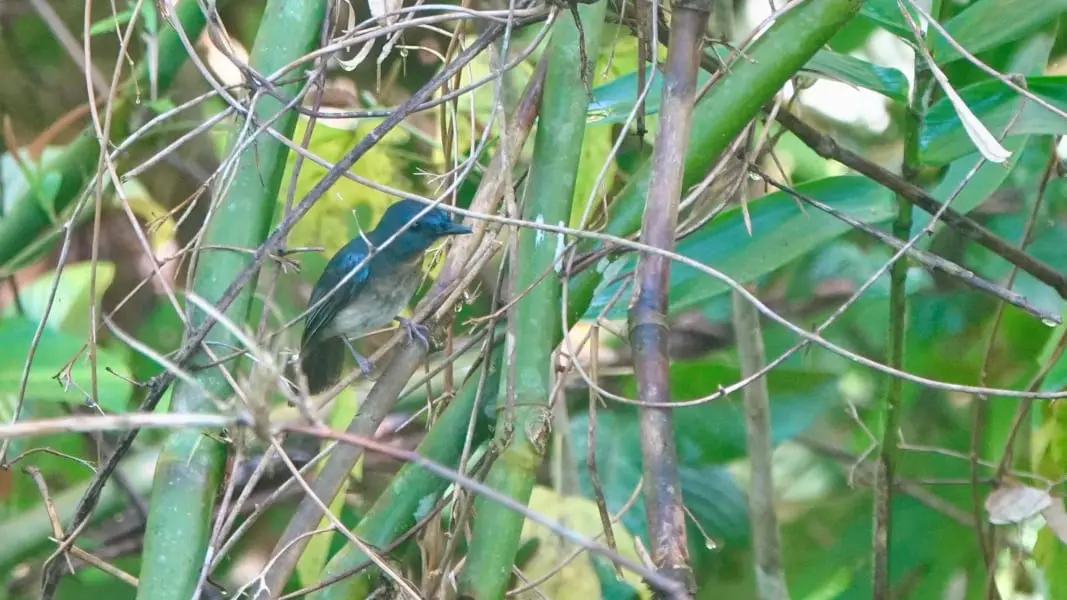
L-R from top left: Biak Myzomela, Bismarck Kingfisher, Broad-billed Fairywren, Sulu Cuckooshrike, Rufous-breasted Blue Flycatcher; all images: Search for Lost Birds, except fairywren: eBird/Paul Sweet
The Lost Birds project is a joint effort of the American Bird Conservancy, Re:wild, and BirdLife International. Its goal is to document bird species that haven't been confirmed alive—either in the wild or in captivity—for over 10 years. It gathers information from archives, scientists, and amateur naturalists to determine whether a bird species fits the definition.
It points out that a particularly important component of this data comes from citizen science platforms like iNaturalist, Xeno-canto, and eBird. According to the site, these platforms contain tens of millions of media records covering 98% of bird species on Earth. We may often bemoan the ubiquity of phones and other technology, but there's no denying that this is an incredible achievement.
On that note, I think I'll take a walk in the morning sun and fire up my birding app. I hope each of you has a chance to listen to some birdsong today.
Talk to you soon,
Owl
Sources:
https://apnews.com/article/burgum-trump-wind-solar-clean-energy-55b20ef5918b61771b215a91290a4556
https://apnews.com/article/burgum-trump-wind-solar-clean-energy-5f496ccc8b409edad853b35cc40728fb
https://www.eenews.net/articles/senate-dems-tussle-with-burgum-over-permitting/
https://www.utilitydive.com/news/trump-burgum-offshore-wind-orsted-sunrise-wind/811178/
https://klamathrenewal.org/the-project/
https://hydroreform.org/2025/10/a-river-reborn-one-year-after-klamath-river-dam-removal/
https://searchforlostbirds.org/news/updating-the-lost-birds-list-to-2026
https://birdsoftheworld.org/bow/species/brbfai1/cur/introduction
https://searchforlostbirds.org/about
*Inspired by historian Heather Cox Richardson's Letters from an American
Owl in America will remain free to all readers. You can subscribe directly below, choosing a free or paid subscription. Tips of any size can be left in the tip jar, and will be received with great thanks. 🦉
Member discussion