April 17, 2026
Owl in America is a series of letters tracing the actions of the current U.S. administration from the perspective of an environmental lawyer. These notes follow how, in a time of rapid political and ecological change, governmental decisions are felt in the living world.
Hello all~
It's been a while. These newsletters are now hosted on a new platform, so they may look a little different. All those who signed up to receive Owl in America and/or posts from my previous site, Fearless Green, are still signed up. Prior paid subscribers will receive a complimentary year and will have a choice whether to re-subscribe when that year expires. A link to unsubscribe, for those who are not sure how they wound up in this corner of the internet, is at the bottom.
Just before Trump's January 2025 inauguration began his second term, I wrote a piece exploring some of the potential implications of the conservative executive policy manual Project 2025 for America's lands, wildlife, and environment. As the transition team was already implementing its points, it seemed clear that a wave of regressive environmental policies would soon follow. And indeed, they have.
Things are tough at the federal level. I'll be getting into many of those changes soon. I still think it's vitally important for activists to focus their work at the state and local level, as federal policymakers have—voluntarily or under duress—become nearly insusceptible to progressive pressure. Activists working around or in spite of the federal government remain bright spots in a dismal landscape.
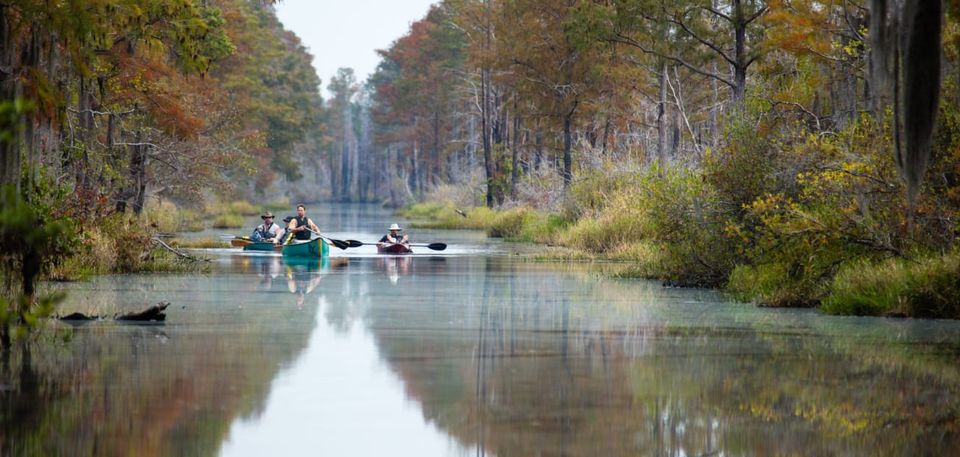
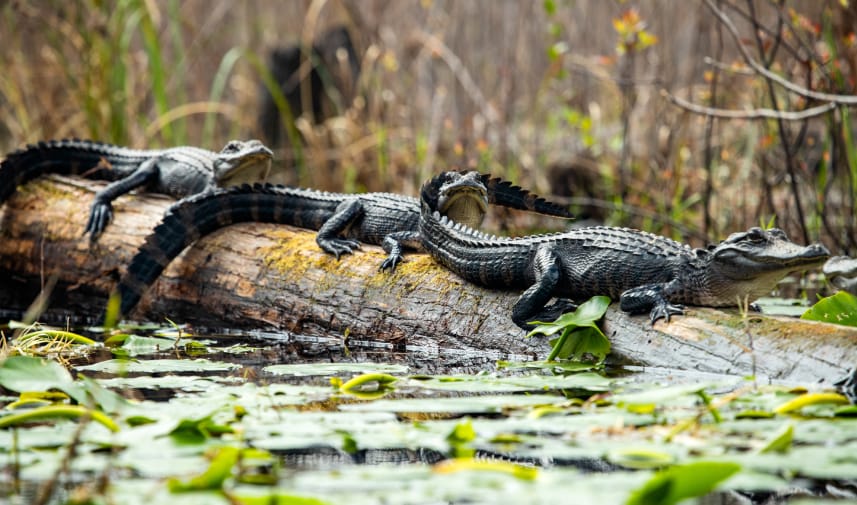
One such example emerged recently from the swamps of southern Georgia. In a public-private partnership between the state and the nonprofit Conservation Fund, bolstered by smaller groups and individual activists, a major deal has conserved nearly 8,000 acres of rare blackwater swamp habitat on the edge of the Okefenokee National Wildlife Refuge. Once threatened with titanium mining, the land will now remain home to wood storks, alligators, and bald eagles. The state of Georgia announced last month that it would acquire about 4,000 acres of the new reserve from The Conservation Fund for a wildlife management area.
Until recently, Twin Pines Minerals had planned a deep-earth mine there for the extraction of titanium dioxide, used as a pigment in paint, sunscreen, and food coloring. Risks of mining in this sensitive location included disruption to the swamp's water flow and the possibility of contaminating the adjacent Okefenokee Refuge.
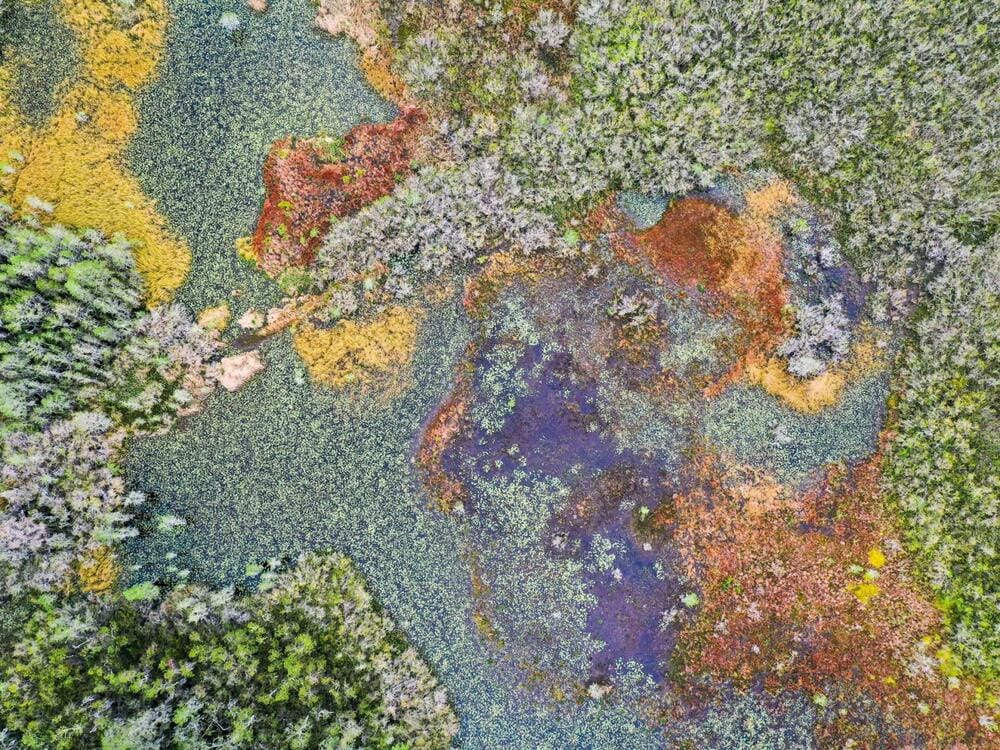
Writing in The Washington Post, Brady Dennis explains: "Formed by a saucer-shaped depression left behind when the ocean retreated thousands of years ago, the Okefenokee is now a shallow, sprawling, mystical bog, fed almost entirely by rainwater."
The swamp supports an astounding array of life, from black bears and red-cockaded woodpeckers to black gum trees and carnivorous plants with names such as hooded pitcher and golden trumpet. It is the headwaters for two rivers, the Suwannee and the St. Marys. And its vast peat deposits, formed by the slow decomposition of plants and 15 feet deep in places, store enormous amounts of carbon.[1]
The Biden administration not only actively opposed the titanium mine but had also been working toward UNESCO World Heritage Site designation for the Okefenokee Swamp. Listing by UNESCO (the United Nations Educational, Scientific and Cultural Organization) can bring international attention to endangered landscapes and cultural monuments. With that recognition can come a boost in tourism, UN preservation funding, and engagement, all providing protection from development threats.
True to form, the Trump administration has announced it will again withdraw the U.S. from UNESCO, citing concerns that involvement is not in the national interest. (Trump also withdrew during his first term, accusing the agency of promoting anti-Israel speech; the U.S. rejoined in 2023 under Biden.)
It remains possible that World Heritage Site designation for the Okefenokee could go forward nonetheless. A separate body, the World Heritage Convention, administers listing decisions, and there is no indication of U.S. withdrawal from that agreement. In fact, during Trump's first term, the U.S. remained part of the Convention and several works of Frank Lloyd Wright architecture were added to the list.
So there we have it: a measure of good news in U.S. conservation. And more may follow, if the Okefenokee UNESCO designation moves forward. As to the broader mission of these notes, I plan to return to some early-term policy changes to examine how they've unfolded as we endure Year Two of Trump's second term. But I also want to continue sharing the stories of groups working, often without much fanfare, against stiff headwinds. I think we all need to see examples of what remains possible.
Talk to you soon,
Owl
Owl in America will remain free to all readers. You can subscribe directly below, choosing a free or paid subscription. Tips of any size can be left in the tip jar, and will be received with great thanks. 🦉
[1] Dennis, Brady. "Land by Georgia swamp, once slated for a mine, will become a wildlife area." The Washington Post, Mar. 23, 2026.
Sources:
https://gadnr.org/dnrs-georgia-outdoor-stewardship-program-invest-14-conservation-projects
https://www.gpb.org/news/2025/07/23/okefenokees-bid-become-unesco-world-heritage-site-still-viable
https://theweek.com/feature/briefing/1025471/the-significance-and-benefits-of-being-on-unescos-list

Member discussion