December 5, 2024
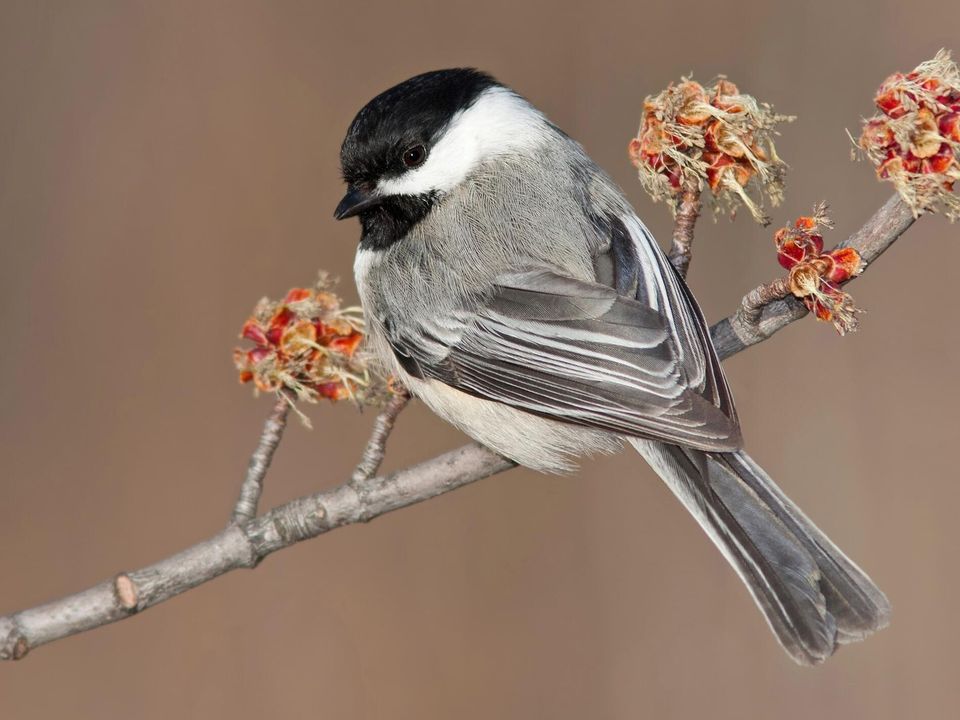
Owl in America is a series of letters tracing the actions of the current U.S. administration from the perspective of an environmental lawyer. These notes follow how, in a time of rapid political and ecological change, governmental decisions are felt in the living world.
Hi all~
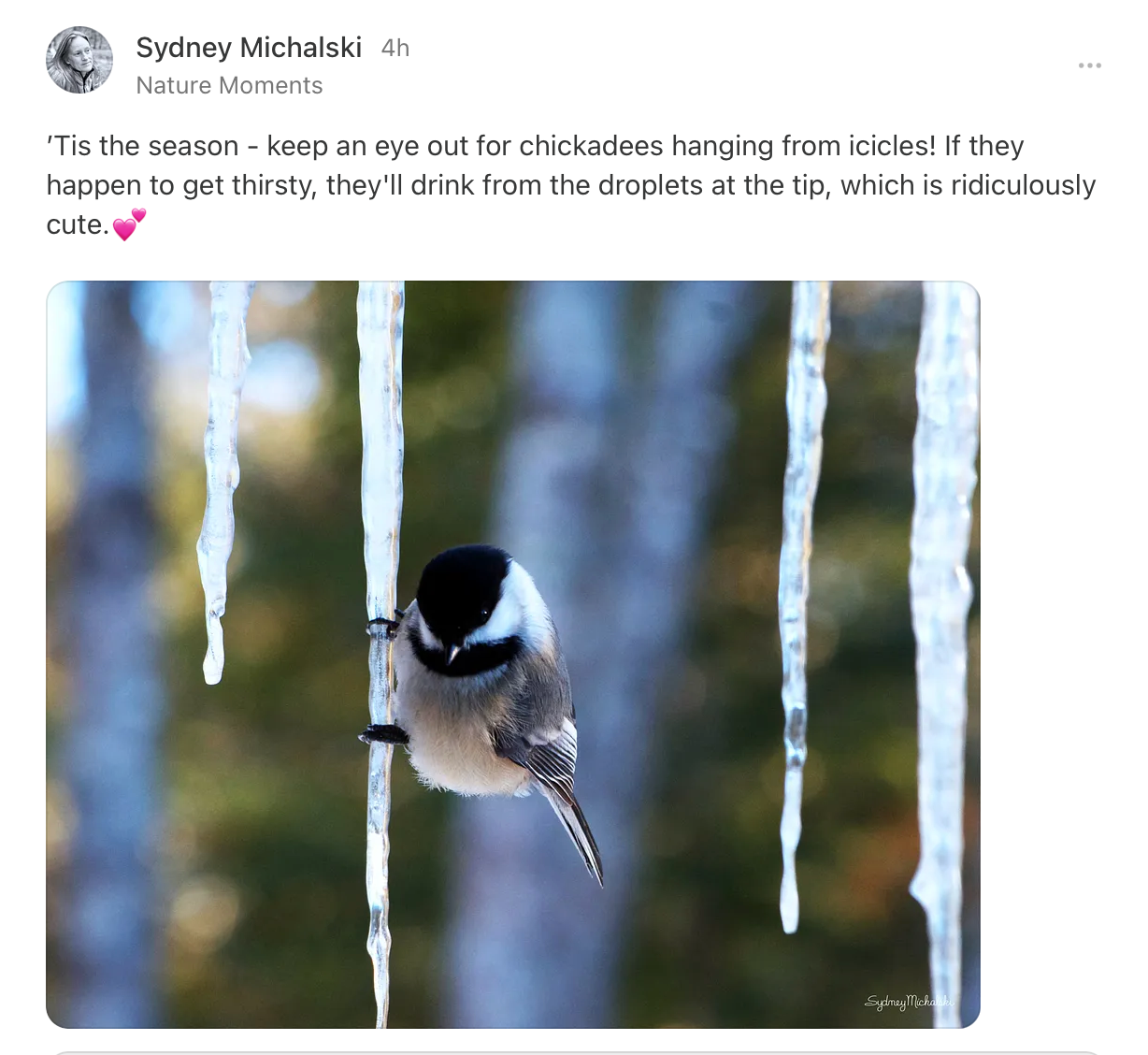
Despite it all, I’m an optimist at heart. How can I not be? I get to live for a while on this beautiful planet where the most incredible things happen: chickadees drink meltwater from the tips of icicles,[1] purring cats fall asleep on one’s lap, and a mob of squabbling pine siskins has decided to chaotically set up shop in my oak tree such that I have to force myself away from their antics to get anything done. There’s so much to marvel at, here on Earth.
So, even though global conferences have not proven themselves suited to solve our environmental woes, I still held onto a shred of hope that a global plastics treaty would emerge from last week’s negotiations in Busan, South Korea. Unfortunately, my hope was unfounded.
Other news from South Korea dominated world headlines this week—a declaration of martial law is certainly well-placed to shift focus away from any treaty negotiation—but I can’t help but feel we just blew a chance to make some progress on the plastic crisis, and it’s a pretty big deal.
As an international community, we are under a year-end deadline to define the treaty’s terms, which were to have been hammered out in Busan by last weekend. Instead, talks fell apart and no commitments were made.
Except for a very few plastics manufactured from alternative materials, making plastic requires fossil fuels and toxic chemicals. So lobbyists for petrostates, chemical companies, and fossil-fuel interests fought to shift terms away from minimizing manufacturing and toward handling plastic waste. Everyone else—particularly those countries and communities drowning in the waste stream of the industrialized world—gets that there is no “handling” plastic waste, not really, and we must absolutely stop making so much of it.
As one example, the lobbyist group American Chemistry Council both fought against mandatory commitments to reduce productions and acquiesced to binding terms that would improve waste management.
120 countries—a coalition led by Rwanda and Norway—favored mandatory terms that would ratchet down overall plastic production. Oil-rich countries—Russia and Saudi Arabia, in particular—wanted to focus on waste reduction. According to the Financial Times, one European negotiator said, “If it wasn’t for Saudi and Russia we would have reached an agreement here.”
Indigenous nations, many or most of whom attended as representatives of their own sovereign governments, were excluded from negotiations altogether in likely violation of the UN’s Declaration on the Rights of Indigenous Peoples.
There’s a term I really like: wish-cycling. My college housemate used to throw plastic things into the recycle bin she knew couldn’t be recycled. She’d say she was doing it as an act of civil resistance: she was putting stuff in there that should be recyclable so that the authorities would be inconvenienced, pay attention, and figure out a way to recycle it. I was skeptical, pretty sure it didn’t work that way, but she was stubborn.
My country is, I’m sorry to say, the chief offender in the plastic waste crisis, both in producing it and lobbying against efforts to fix it.
On top of all that, we are one nation in a world of wish-cyclers. Of the 450 million metric tons of plastics produced worldwide each year, 350 million tons ends up as waste. Less than 10% of that is recycled. About half is thrown in landfills, but almost a quarter ends up as widespread pollution, much of it in our rivers and oceans.
UN rules require a consensus before any agreed-upon treaty terms go into effect. Proponents hope talks can begin again next year. Delegates from advocacy groups Ocean Conservancy and Greenpeace said progress was made and a meaningful treaty remains within reach when conferees reconvene. Many attendees felt no deal at all was better than a watered-down, ineffectual one; for now, the door is still open to a binding agreement to cut down plastic production.
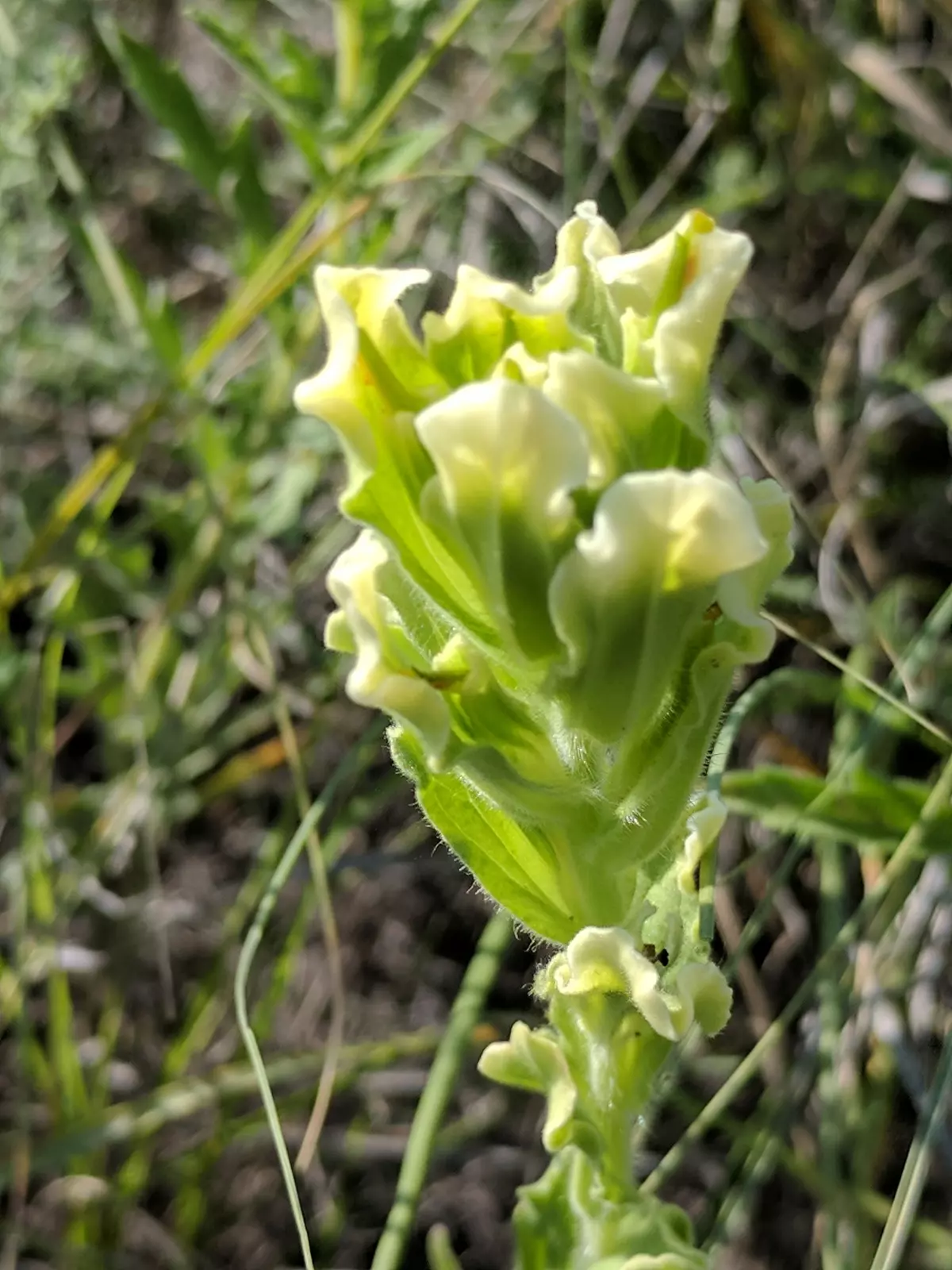
In sweeter news, yesterday the U.S. Fish and Wildlife Service entered the swale paintbrush on its endangered species list. While it’s never fun to think of any living being in danger of extinction, this means the paintbrush will receive some legal protections, and a funding stream for its recovery will open up. 99% of species listed under the U.S. Endangered Species Act since its passage in 1973 are still with us.
The swale paintbrush (Castilleja ornata) is found only in one place in the U.S.: a tiny corner of New Mexico in the American southwest. A small population occurs over the border in Mexico as well. An annual flower, it’s also known as the glowing Indian paintbrush. An environmental group called WildEarth Guardians initially petitioned the government to list it as endangered in 2007; a 2020 lawsuit by the Center for Biological Diversity resulted in a court order to move forward with the listing process.
The agency will now develop a recovery plan which may involve reintroducing these little paintbrushes to formerly occupied sites.
In an interesting twist, the Fish and Wildlife Service declined to declare critical habitat for the plant on the grounds that publishing its single remaining U.S. location—on a 28-acre parcel of private land—would put it at risk. The botanist who named this paintbrush thinks this is dubious reasoning; he says he doesn’t believe many people would go looking for it, much less be able to find it, given its muted appearance.
I’ll be back tomorrow with some updates on environmental actions by the outgoing Biden administration.
Talk to you soon,
Owl
[1]
Sources:
https://www.washingtonpost.com/climate-environment/2024/12/01/plastic-pollution-treaty-global-un-busan/
https://heated.world/p/indigenous-peoples-snubbed-at-plastic
https://www.ft.com/content/737b609d-d660-4f91-a016-740d9c476642
https://www.fws.gov/species/glowing-indian-paintbrush-castilleja-ornata
https://www.courthousenews.com/feds-grant-rare-southwest-flower-endangered-status/
https://peerj.com/articles/6803.pdf
*Inspired by historian Heather Cox Richardson’s Letters from an American.
Owl in America will remain free to all readers. You can subscribe directly below, choosing a free or paid subscription. Tips of any size can be left in the tip jar, and will be received with great thanks. 🦉


Member discussion