June 22, 2026
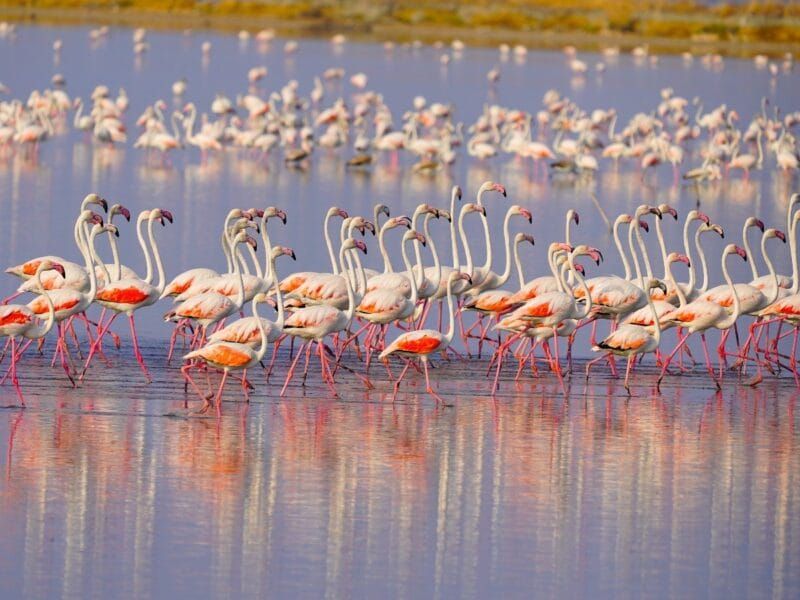
Owl in America is a series of letters tracing the actions of the current U.S. administration from the perspective of an environmental lawyer. These notes follow how, in a time of rapid political and ecological change, governmental decisions are felt in the living world.
Hi all~
Happy Solstice!
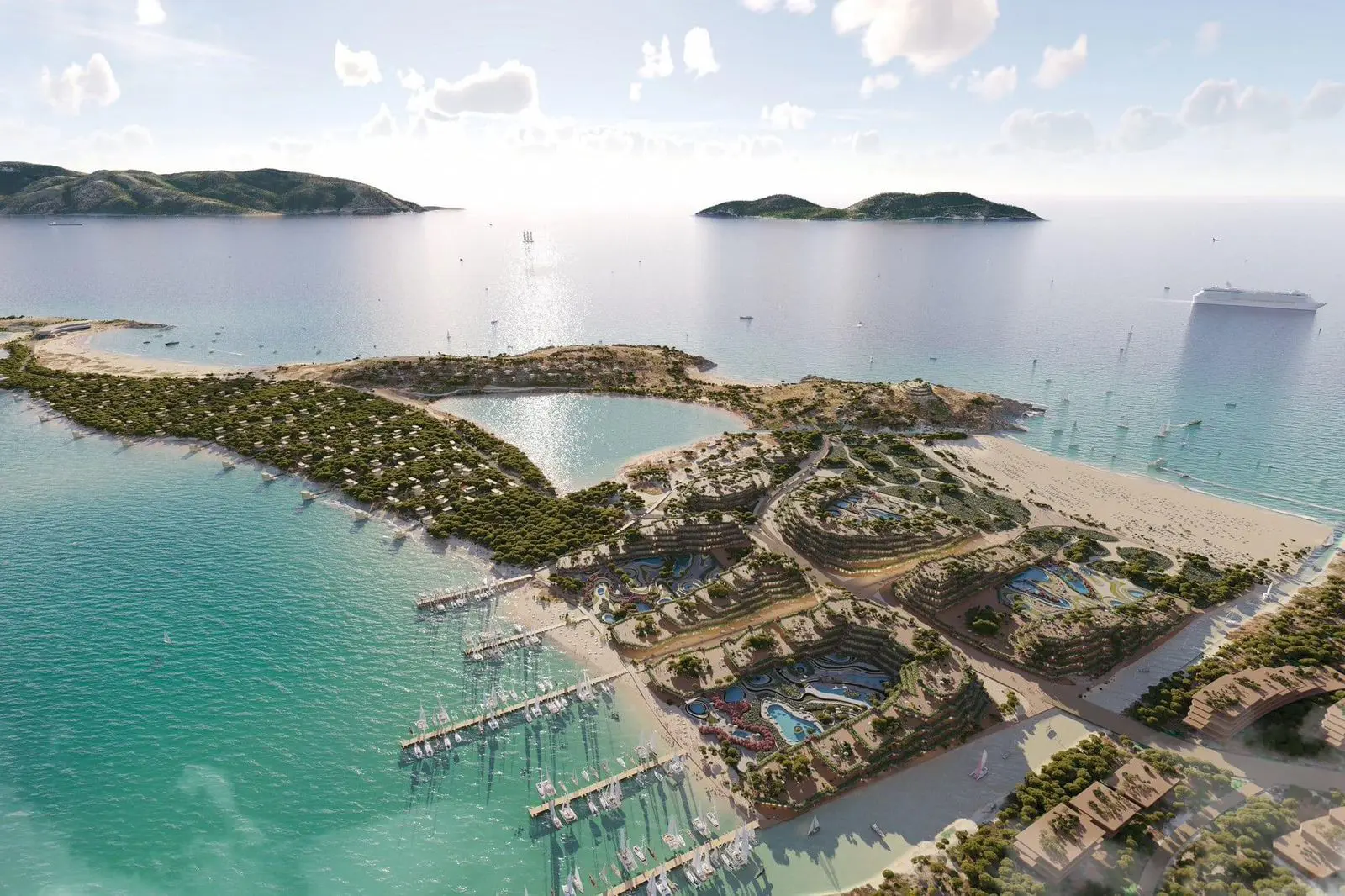
I have a soft spot for Albania, whose beautiful capital city of Tiranë has been in the news lately as Albanians have flooded the streets to protest the bulldozers of American billionaires. The developers in question: Jared Kushner and Ivanka Trump. Their planned development: a 10,000-room mega-resort in one of the world's most ecologically important river deltas along Albania's southern coast.
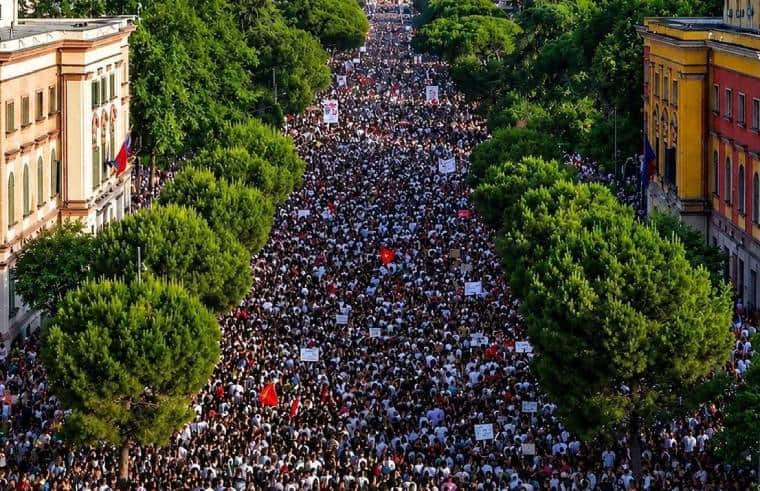
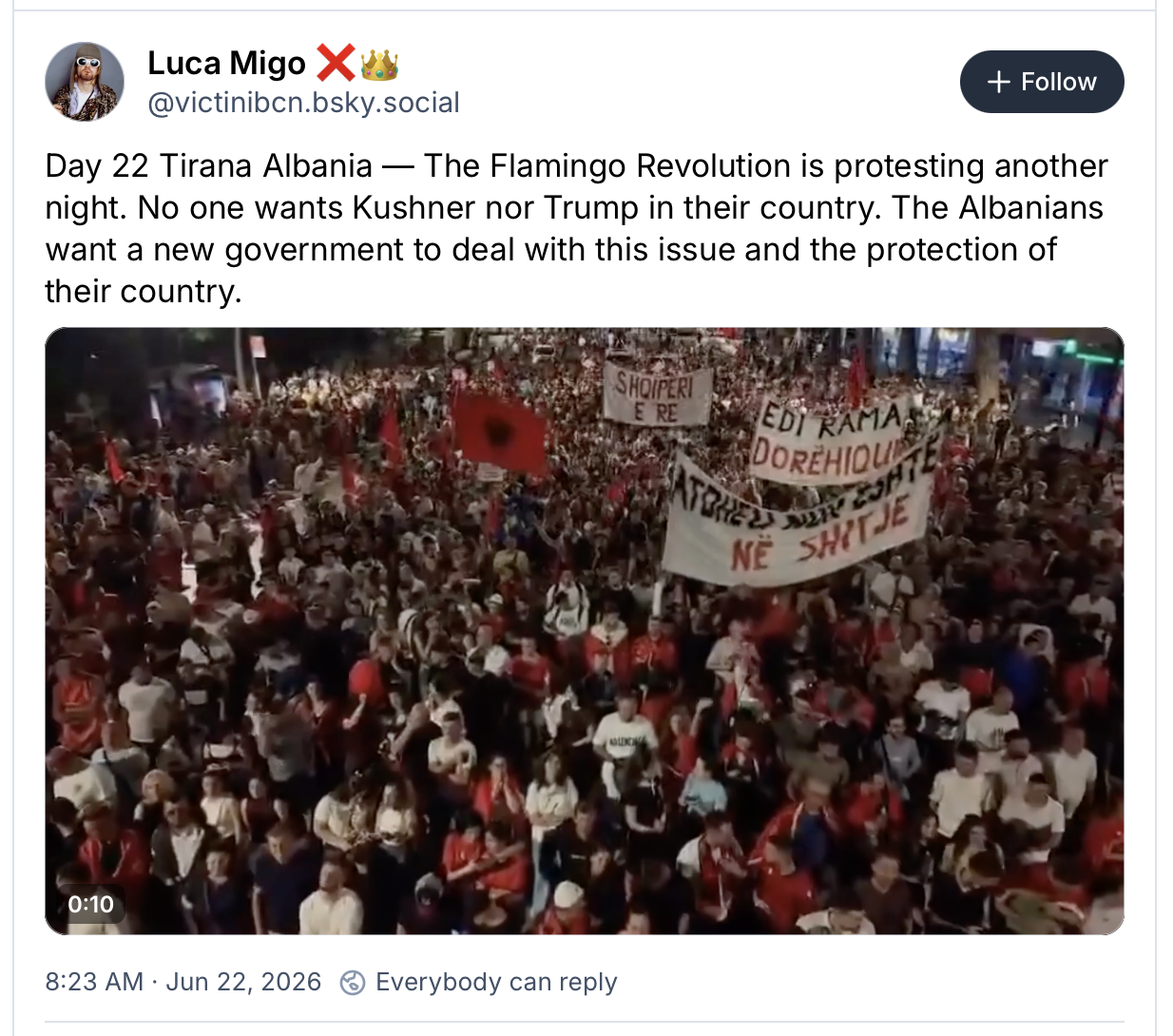
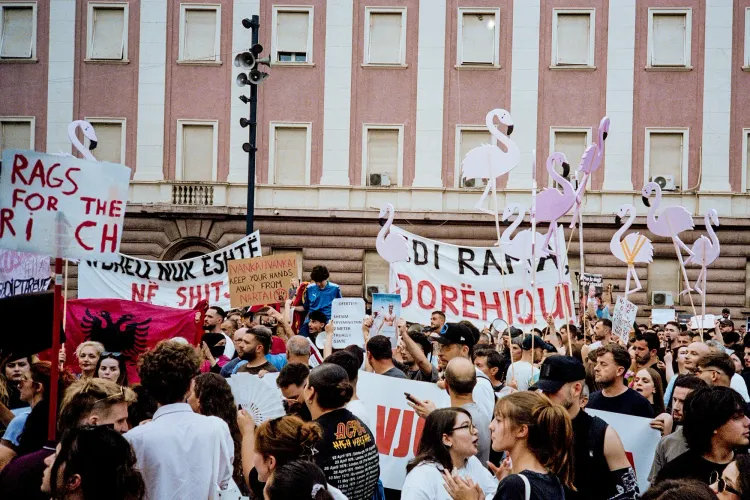
Unpermitted construction work began this month without public notice. Private security forces at the Nartë Lagoon construction site reportedly met peaceful protesters with violence. Albanians have been in the streets of the capital Tiranë ever since, by the tens of thousands, with numbers swelling by the day.
I was lucky enough to visit Albania last year around the holidays. Three generations of my family boarded an overnight ferry in Bari, Italy, and crossed the Adriatic while we slept. We woke the next morning to a sparkling ocean in the port of Durrës. From there, we squeezed into a tiny cab that delivered us to Tiranë about an hour later.
As an American visitor, Albania's capital came as a complete surprise to me. It is a European city that's almost completely outside the tourist loop, and it's vibrant, fun, and beautiful. I hadn't known what to expect, but given its recent history as a communist dictatorship, my mind's eye had veered lazily toward brutalist government buildings and depressing apartment blocks.
That was not the case at all: stunning architecture and gorgeous public spaces dominated the central core, with more being built. In fact, everywhere we went, there was a construction boom—an influx of investment, I suppose, after long decades behind an iron curtain. But in places, the ancient world emerged. In Durrës, one could wander through a recently unearthed Roman amphitheater and touch tile mosaics that had lain forgotten beneath the earth for centuries.
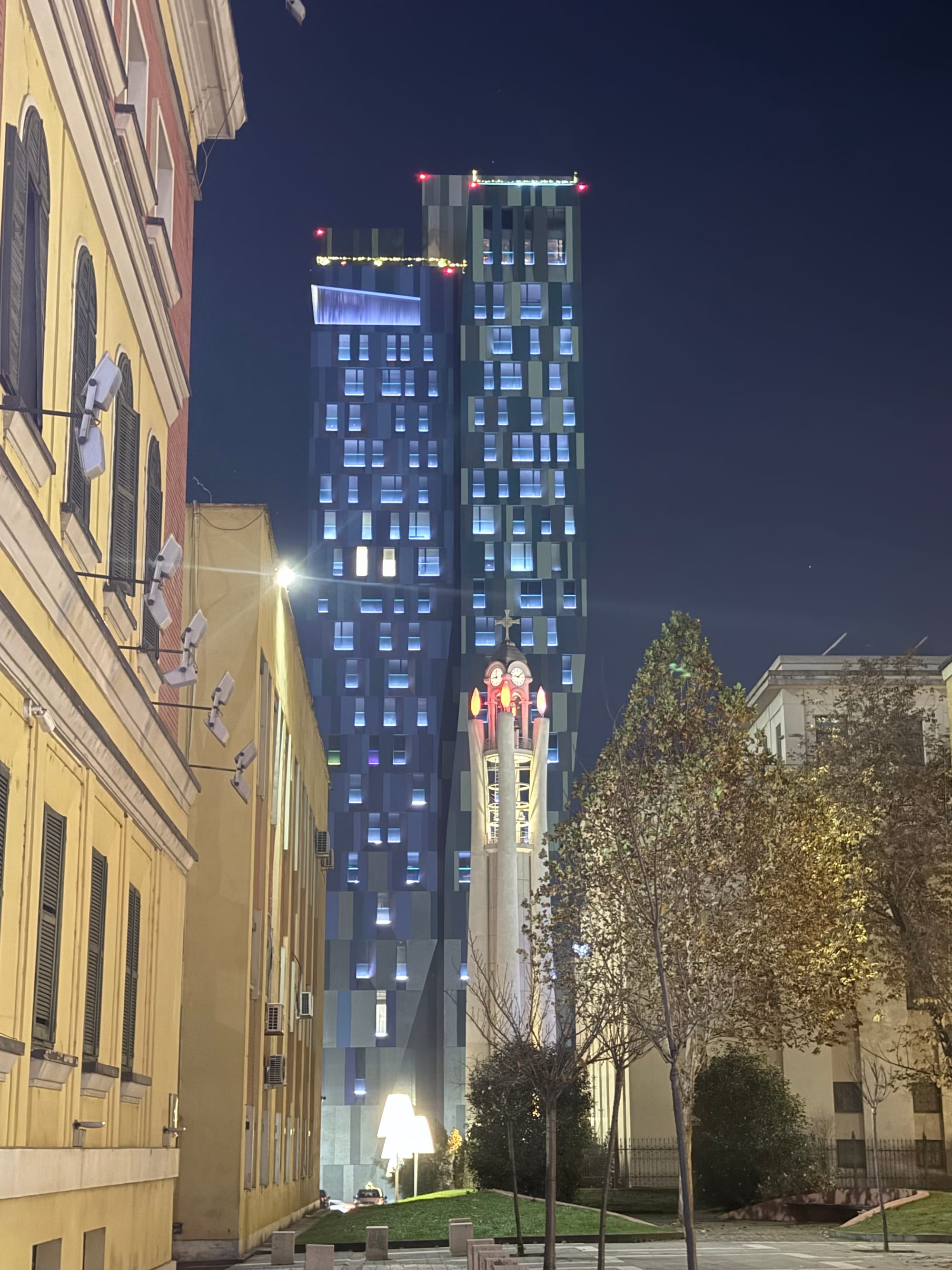
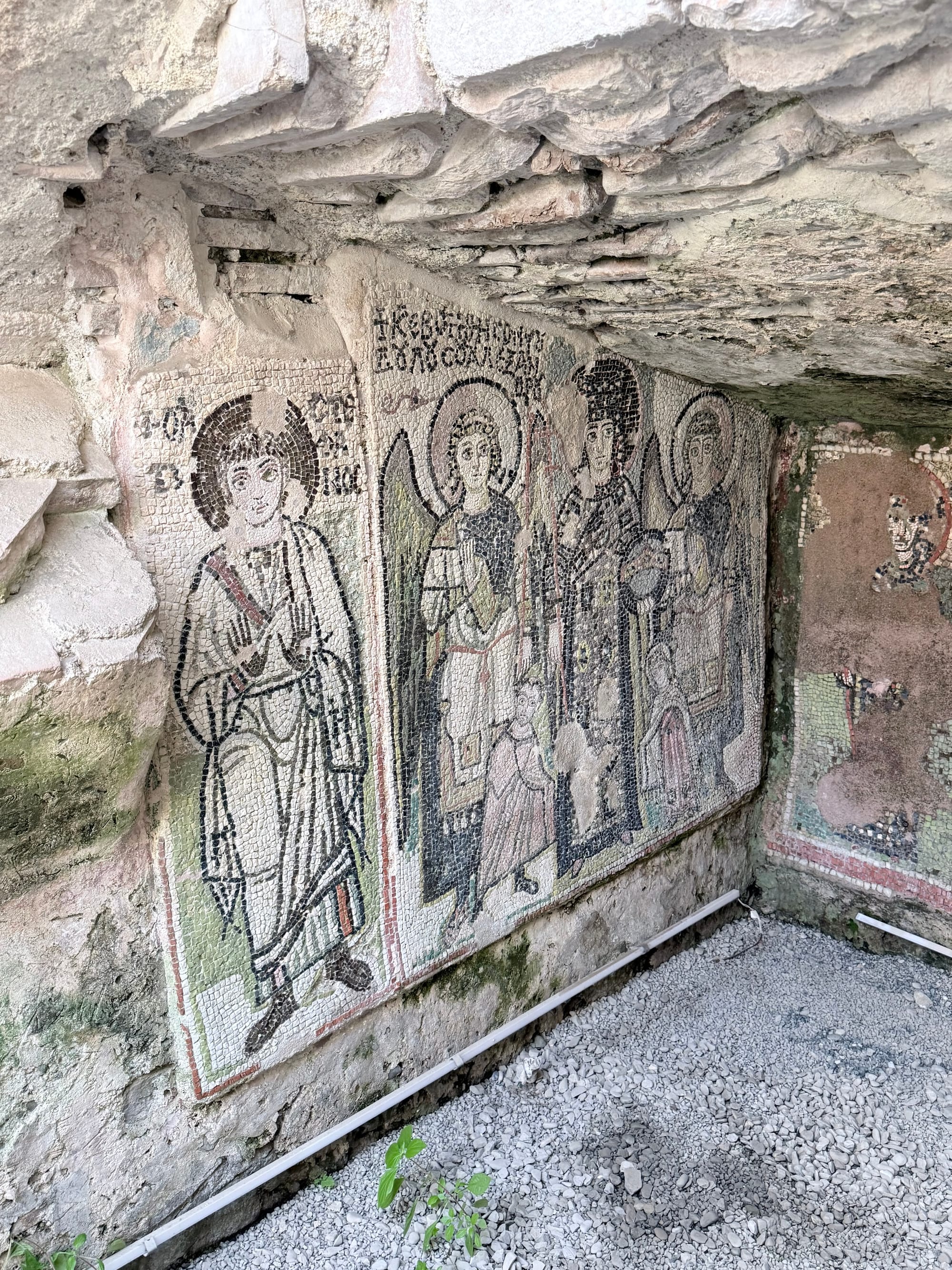
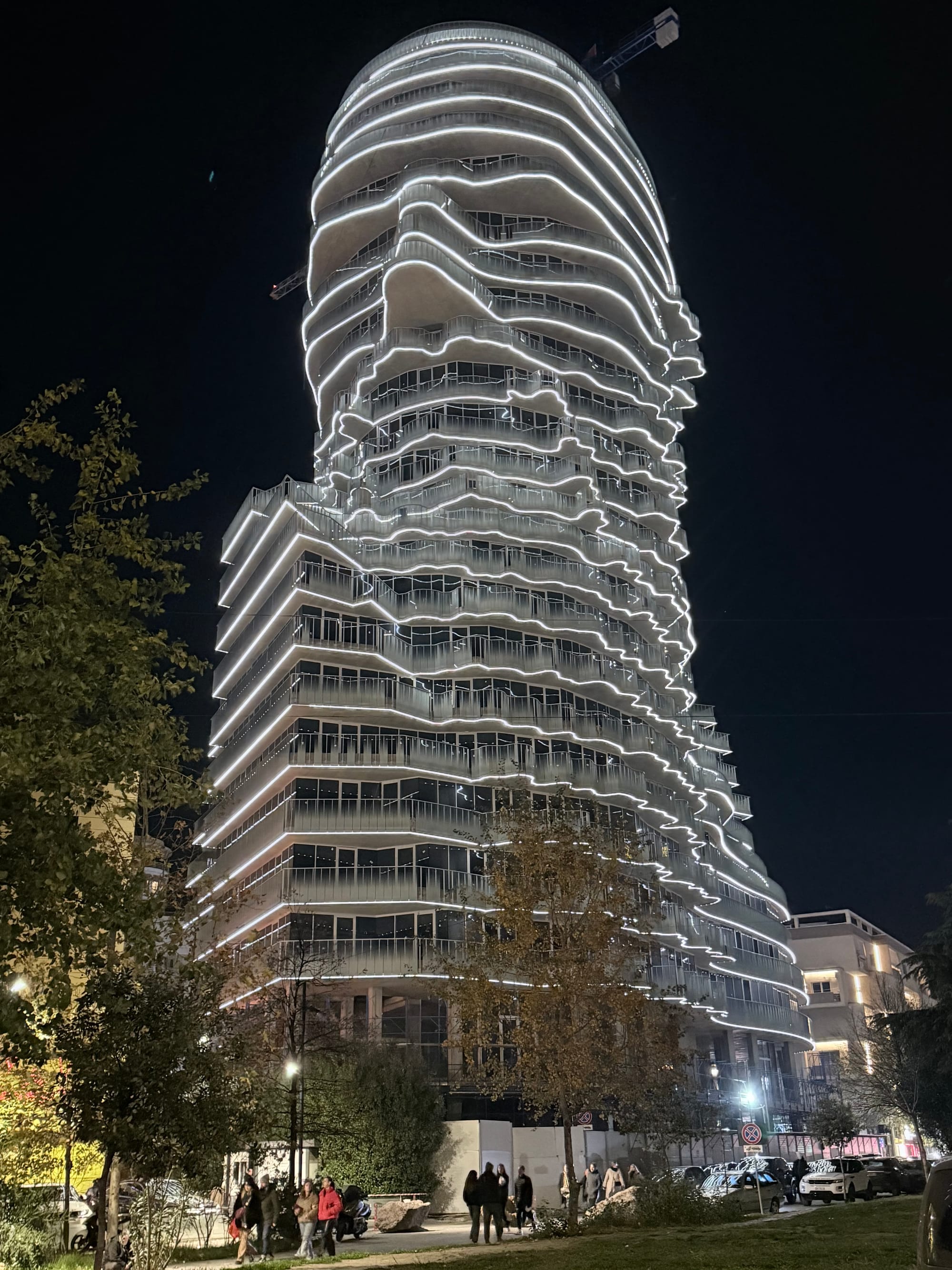
Modern buildings in Tiranë, Roman mosaic in Durrës, author's family photos
Above all, Tiranë feels like a young city, a fact that sets it apart from the capitals of Western Europe. Everywhere we went, there seemed to be more people in their 20s than any other age group.
With an eye toward modernizing the country and rejoining the world once Albania's democracy was restored, the government made English instruction a central part of schooling. All the young people we met were happy to practice their English with us, and some even seemed a tiny bit star-struck meeting our family (and we are not a glamorous bunch). But although American tourists are still pretty uncommon there, I think most of that warmth was connected to the United States' part in Albania's history. It's an outsized role that I am ashamed to admit I knew very little about before visiting.
Part of the Ottoman Empire until the early twentieth century, Albania declared independence just before World War I. American President Woodrow Wilson, standing nearly alone among the world powers of the time, supported Albania's right to exist. Some European leaders wished to see it carved up among neighboring countries. Many Albanians today consider American support at this critical moment foundational to their country's existence.
From there, Albania became a kingdom, and then Fascist Italy invaded and occupied it in 1939; after Italy's collapse in 1943, Nazi Germany occupied Albania until 1944. During this time, many Albanians risked their lives to hide Jewish people from the occupiers. In majority-Muslim Albania, the traditional honor code of besa requires people to aid and protect others in moments of need. As a result, it was the only country in Europe to have a higher Jewish population at the end of World War II than at the beginning.
An even grimmer history begins there, one that can be physically traveled in central Tiranë's riveting, haunting Bunk'Art 2 Museum. Enver Hoxha, the head of a repressive government that sealed Albania off from the rest of the world from the end of World War II until 1991, built what is still the world's largest network of underground bunkers: there are something like 750,000 of them scattered around the country.
Hoxha ran a terror campaign against his own people for four decades, with psychological warfare and Sigurimi, the secret police, entwined in the lives of regular people, especially those with an education or with connections outside Albania. Hoxha was predictably paranoid as well, and the bunkers in Tiranë were intended as a backup government holdout should Western powers invade.
Imagine today descending into this network of poorly-lit, cement tunnels, now converted into a museum displaying the technologies and records of the secret police in a warren of tiny chambers. You enter the concrete rooms, each one a separate exhibit, by stepping across a high metal threshold as if you're on board a ship. You see the lists of the 're-educated,' the worked to death, the executed. The tools for spying on citizens. The lists of prisoners at each of the prison camps. It all leaves an indelible mark on the soul of anyone lucky enough to have been raised in a freer society.
One of the rooms toward the end of the tour displayed declassified records showing repeated joint CIA and British intelligence attempts to penetrate Albania and orchestrate regime change, all of which failed. The museum's curators found a place in all that horrific history to thank our countries for trying to help during those dark years.
I know I'll never stop thinking about what I saw down there. As I emerged teary-eyed, blinking into the sunlight after our tour, I noticed for the first time that the broad avenue in the center of Tiranë is named for George W. Bush. I took a moment to search my phone: he was the first sitting U.S. president to visit Albania. His support for Kosovo's independence, after the U.S.-led NATO action during the Clinton years, remains important to many Albanians, including those in Kosovo, where many ethnic Albanians live.
I have opinions regarding the U.S. presidents honored in Albania—Woodrow Wilson and, later, Dubya—not to mention the CIA and its regime-change efforts around the world. But my opinions are not important here. What matters is how Albanians have seen the relationship between our two countries. I wanted to respect that viewpoint by learning more about our shared history.
I can highly recommend Albanian professor Lea Ypi's book Indignity: A Life Reimagined for its careful descent into the maddening mirror-world of newly declassified secret police records as she attempts to reconstruct her grandparents' lives during the Hoxha dictatorship.
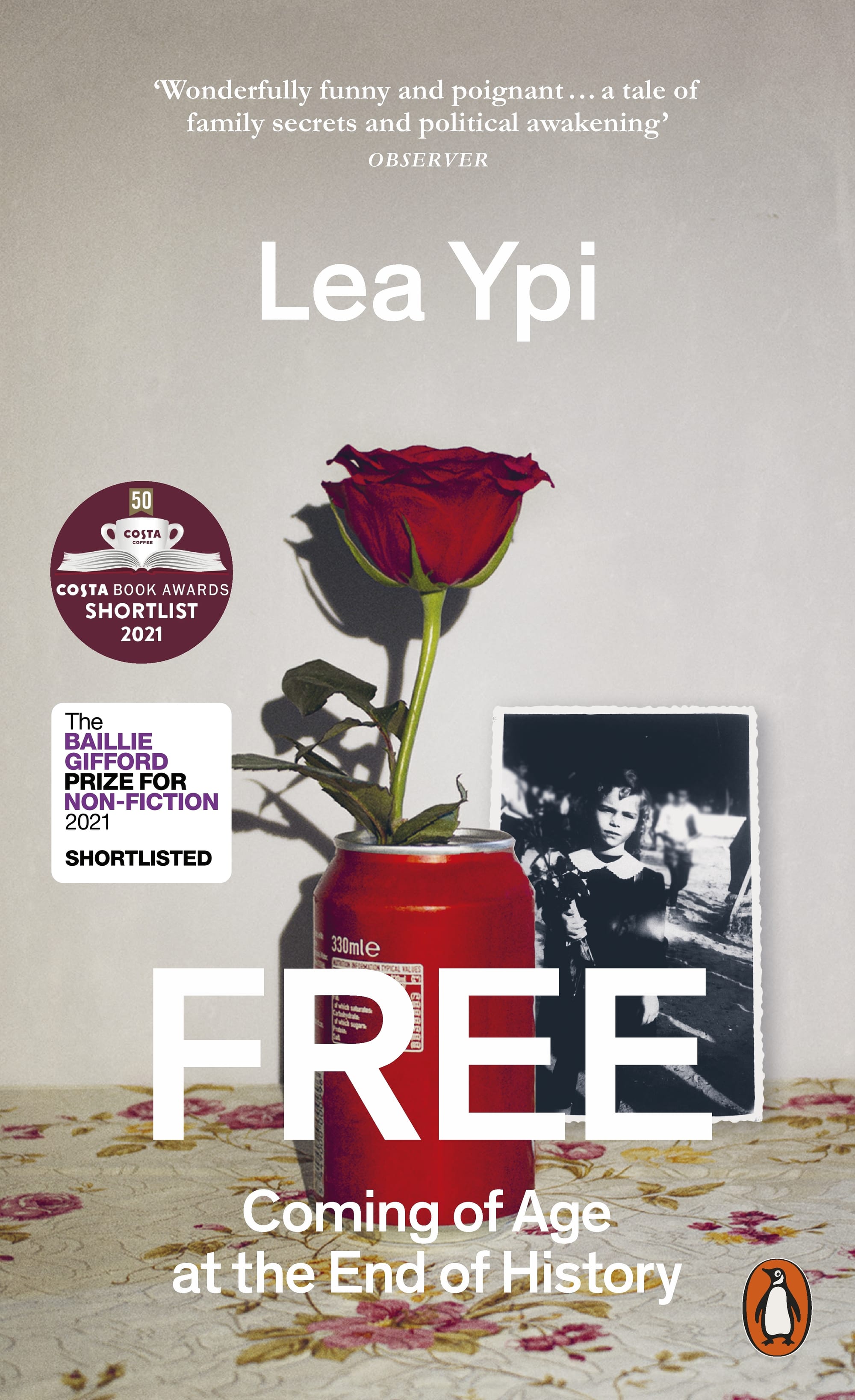
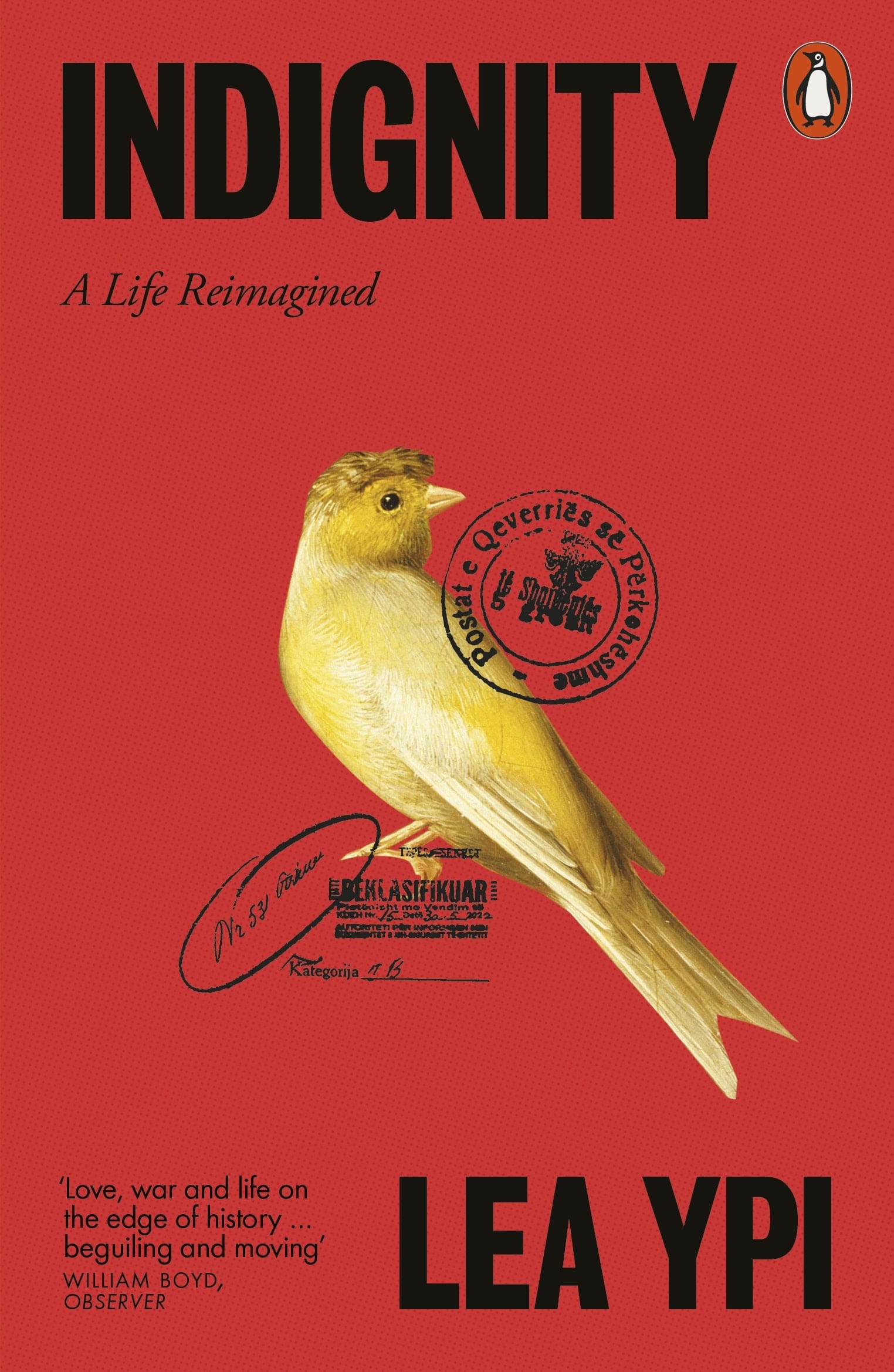
But even more captivating, for me, was her earlier book Free: Coming of Age at the End of History. It recounts her own childhood in a family of political suspects that she didn't even know were political suspects: her great-grandfather was the prime minister of Albania before Hoxha's rise, but her parents always denied being related to him.
She came of age just as the regime fell, after a childhood in which people disappeared without a word. With luck, a message would eventually trickle back to their family that the missing person had 'enrolled in college' somewhere.
[Spoiler alert: The name of the college they'd supposedly enrolled in was coded language for which prison camp they'd been taken to. Some were gone for many years longer than a single college degree would require; some went on to 'do other degrees' at different universities. Some never returned.]
Given what Albania has been through in the not-very-distant past, I am especially fired up in support of the tens of thousands of Albanians in the streets of Tiranë protesting against some jerk developers (American, sadly, though I don't care to claim them) and their abetters in the Albanian government.
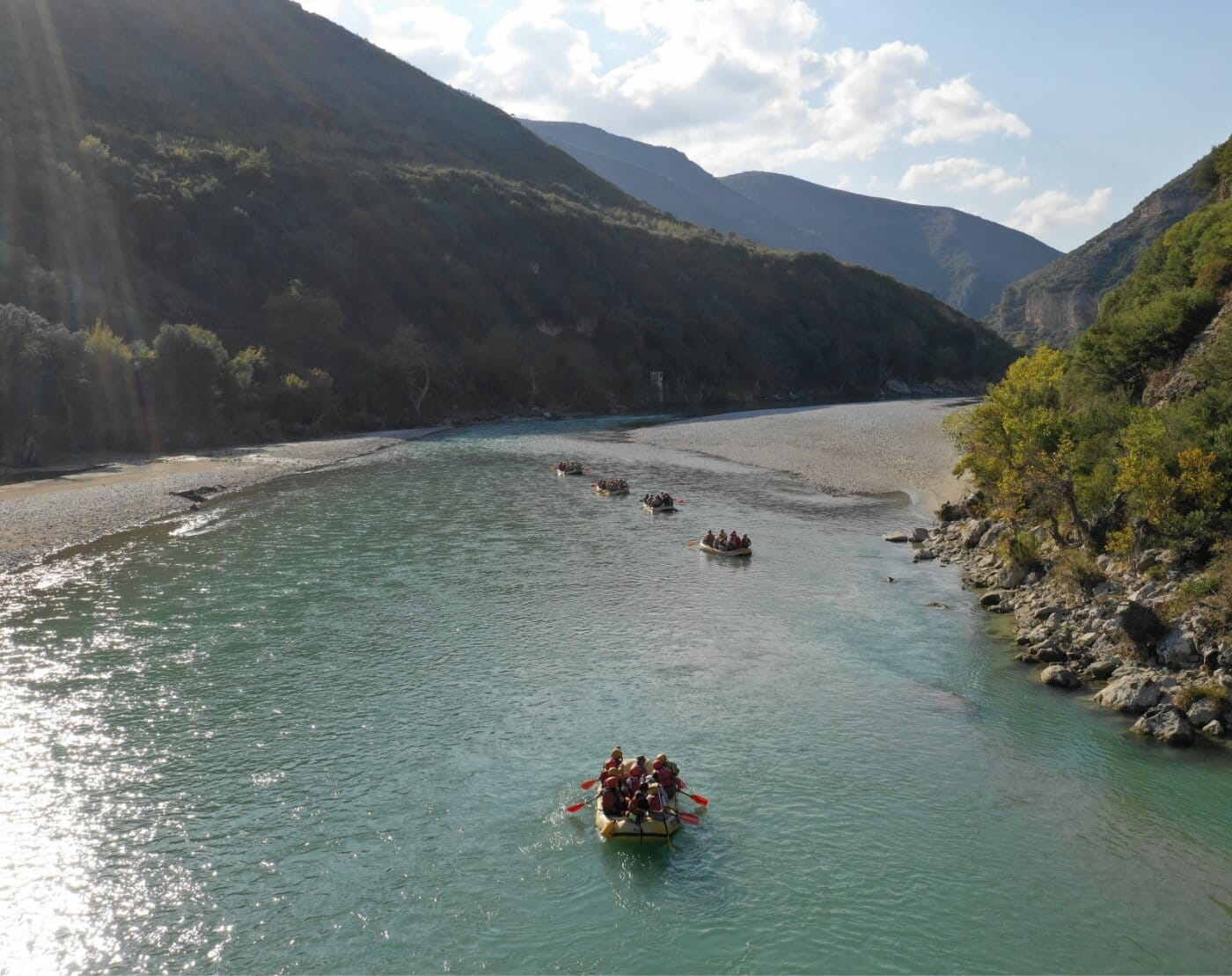
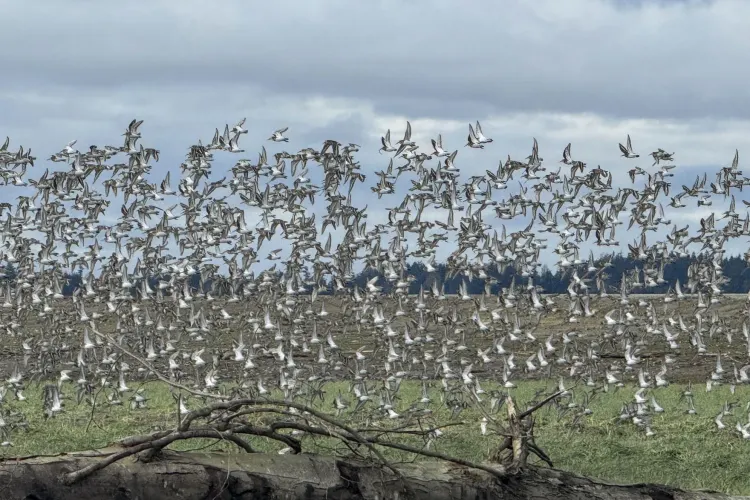
The land at issue is the Vjosë River Delta, home to Mediterranean monk seals, loggerhead turtles, endangered Albanian water frogs, and a rare colony of Dalmatian pelicans. The Vjosë is the longest stretch of wild, undammed river in Europe. Its delta is considered the most intact on the continent, is home to 70 endangered species, and is a crucial stop on the Adriatic Flyway. Millions of birds traverse this flight path from Africa to Europe and back every year and rely on the delta to rest and refuel before completing their journeys.
Here is what Jared and Ivanka's Affinity Partners Investment Group envision for what ecologists call the jewel of the Adriatic:
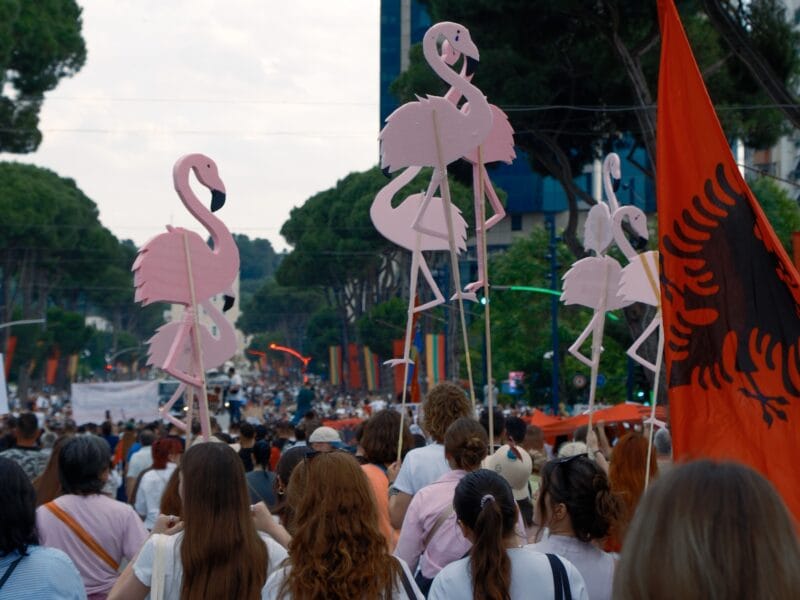
Albanians are calling their protests the 'Flamingo Revolution' in honor of the pink birds that gather in the lagoon. They're carrying flamingo cutouts and inflatables through the streets, along with Albanian flags and posters reading "Albania Is Not for Sale!"
I'll say. After a fierce, decade-long conservation battle that drew in Europeans far and wide, the Vjosë River and several tributaries were protected as a national "river park" under an innovative legal framework in 2023. The river itself, and not just the land around it, is fully protected from development. Unfortunately, the river's delta and lagoon were not included in that framework and remain under a separate, weaker protected-landscape regime that allows for some limited development.
Just three weeks before Kushner's firm unveiled its plan in early 2024, Albanian Prime Minister Edi Rama's administration amended the law to include high-end resorts among the limited developments permitted in protected areas such as the delta and lagoon. Now, Albanians are calling for Rama's resignation over his support for the resort.
The protests have gained international attention, and the European Commission and European Parliament have taken notice. Albania's leaders hope their country will join the EU by 2030. At least from our conversations with locals, it seems this is something Albanian citizens deeply desire.
Violating international conservation agreements and EU nature-protection standards could endanger that goal. EU officials have warned Albania to repeal the loophole allowing high-end developments in protected areas or risk derailing negotiations to join the union.
According to Politico EU, the European Commission has noted that "as part of the process of joining the EU, Albania is expected to align with the EU’s environmental rules." And on June 17, the European Parliament resolved that Albania must issue an “immediate moratorium on new permitting procedures, construction works and development interventions within protected areas until incompatible provisions of Albania’s amended Law on Protected Areas are repealed and full compliance with EU nature protection standards is ensured.”
I suppose it doesn't need saying, but I will: I am so embarrassed that slimy capitalists with family ties to the highest levels of American power are preying upon this country. Albania has survived so much. Especially given the shared history of our two countries, and the goodwill long held by Albanians for the U.S., it's a betrayal, and one that hits me even harder than the many others we've perpetrated against our allies in recent months. Still, I feel proud to see the people there rising up.
In the 1990s, Albanians took to the streets to bring their country out from behind a truly brutal iron curtain. I look forward to what they'll achieve now, especially as membership in a strong democratic union is within their reach. I'm guessing Jared and Ivanka—and their confederates in the Albanian government—will prove no match for them.
Talk to you soon,
Owl
🦉 Please reach out with any questions or comments. And I'm more than happy to take reader suggestions for future research and writing. You can reach me by replying to this email, commenting below, or tagging me on Bluesky.
Sources:
https://e360.yale.edu/digest/albania-vjose-kushner-protests
https://e360.yale.edu/features/jared-kushner-albania-vjose-vjosa-river-hotel
https://www.vjosanationalpark.al
https://www.politico.eu/article/eu-warns-albania-membership-bid-jared-kushner-project-protests/
https://englishgoln.com/english-education-in-albania/
https://ecoalbania.org/wp-content/uploads/2026/01/HYMO-report.pdf
https://bsky.app/profile/victinibcn.bsky.social/post/3mot7b5zfr22l
*Inspired by historian Heather Cox Richardson's Letters from an American
Owl in America will remain free to all readers. Paid subscriptions help make possible the time it takes to track agency notices, court filings, specialized reporting, and environmental stories that can be easy to miss. If you can support this work with a paid subscription, thank you; if you can’t, thank you for being here. Please share these letters, speak up where you can, and keep paying attention to the living world. 🦉
Member discussion